Collagen in Coffee: The Morning Habit Worth Trying

However, there are valid reasons behind this shift in people, and once the right method is understood, incorporating it into one’s daily routine becomes almost effortless. Here, we are discussing everything related to collagen and sharing two recipes with you as well.
What Is Collagen and Why Put It in Coffee?
Collagen is the primary structural protein in the human body. It’s found in your skin, joints, bones, tendons, and connective tissue. Your body can produce it naturally, but production begins to slow down in your mid-twenties.
This decline becomes even more pronounced upon reaching one’s forties. The skin begins to lose its firmness, the cushioning layers at the joints wear down, and the body takes longer to recover or return to its normal state after physical exertion.
Collagen supplements, typically sold as hydrolyzed collagen or collagen peptides, are derived from animal sources like bovine (cow) hide or marine (fish) skin. Through a process called hydrolysis, collagen protein is broken down into small chains known as peptides, which the body can easily absorb and utilize.
So why coffee specifically? For most people, coffee is already a non-negotiable part of their morning. Pairing a supplement with a daily habit you never skip is one of the smartest ways to stay consistent.
Collagen peptides dissolve quickly in hot coffee without significantly altering the taste of the coffee. At the same time, they add a bit of extra protein to your morning brew, helping you stay full and energized for longer.
A Quick Guide to Picking the Right Collagen
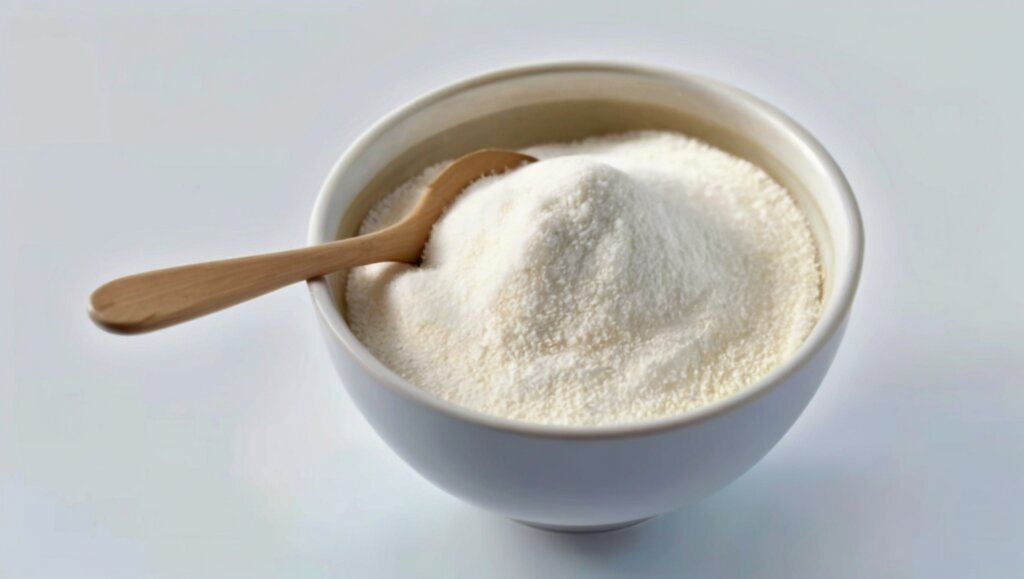
Collagen powder has taken over supplement shelves, and the options are overwhelming. The problem is that not all products offer the same utility or quality, and very few people understand this difference. Before we dive into the recipe, here are the factors we need to consider when choosing collagen powder:
Type of collagen: Type 1 and Type 3 collagen are most commonly used for skin and hair benefits. On the other hand, Type 2 is specifically used for health. Most general-purpose collagen powders contain a blend of Type 1 and 3.
Source: Bovine collagen is the most readily available and cost-effective. Marine collagen is considered to be more bioavailable, although it is more expensive. The good news is that both go well with coffee.
Unflavored vs. flavored: When it comes to coffee, coffee without any added flavors or aromas is almost always the better choice. Unfortunately, flavored collagen powder can create a type of sweetness or artificial taste that does not quite blend well with the natural bitterness of coffee.
Certifications: Look for products that have been tested by third parties, grass-fed (for bovine), or wild-caught (for marine). These tiny details are truly important when it comes to quality.
How to Make Collagen Coffee: Step by Step
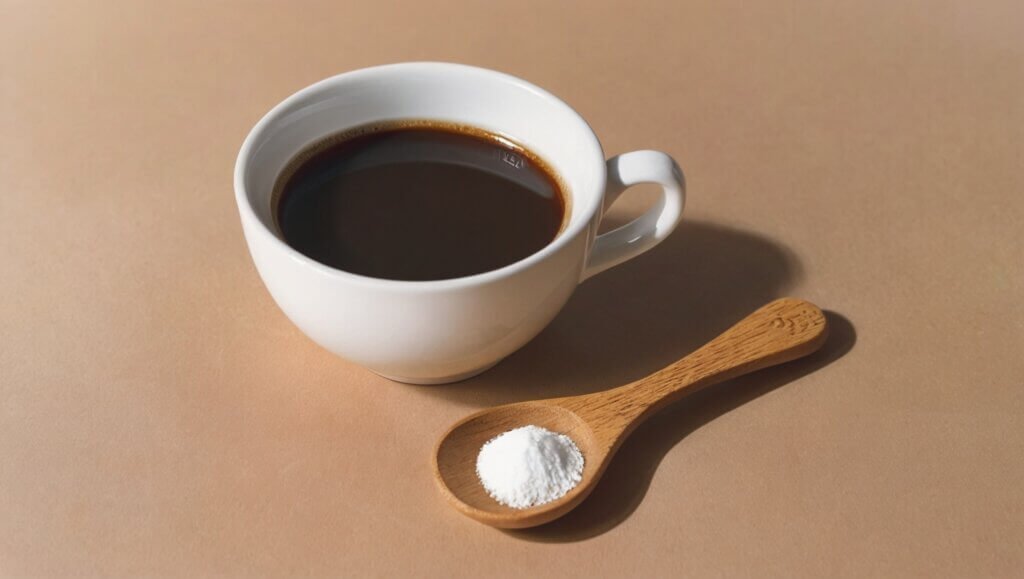
This is a simple, hassle-free, and effective way to add collagen to your daily cup of coffee. And the good thing is that you can make it in only 2 minutes. Also, the steps are easy, and you don’t need any extra equipment for this recipe.
Ingredients
- 1 cup freshly brewed hot coffee
- 1–2 scoops unflavored collagen peptides
- Milk or coffee creamer
- A small pinch of cinnamon or vanilla extract for flavor
Step-by-Step
- To prepare the coffee, you can use any method. You can use a drip, French press, pour-over, espresso, or Moka pot. Any of them works well.
- Pour the hot coffee into your favorite mug while it’s still steaming because heat helps the collagen dissolve more smoothly.
- Now add one to two scoops of collagen peptides directly to the coffee.
- Stir well for a while, likely about 20–30 seconds, or you can also use a small milk frother for 10 seconds. The goal is for the powder to dissolve completely without leaving clumps or a noticeable residue.
- Add your preferred milk or creamer if you love having it, stir it once more, and drink immediately.

The Upgraded Version: Collagen Butter Coffee
For those looking for something more substantial than a light breakfast served in a cup, healthy fats have been added to the mixture in this version. It’s particularly popular with people following lower-carb eating patterns, though anyone can enjoy it. You can make this drink in only 3–4 minutes.
Ingredients
- 1 cup or 240 ml hot brewed coffee
- 1–2 scoops unflavored collagen peptides
- 1 tablespoon grass-fed butter or ghee
- 1 tablespoon coconut oil or MCT oil
- A pinch of cinnamon, cardamom, or a few drops of vanilla (optional)
Step-by-Step
- Brew your coffee and pour it into a blender. You can use any regular kitchen blender; however, if you have an immersion blender, that will be more convenient.
- Now just add the collagen peptides, butter or ghee, and coconut or MCT oil.
- Blend it on medium-high for 20–30 seconds until the mixture becomes frothy and creamy.
- Pour it into your mug and drink while warm.
Storage & Shelf Life Tips
Storing collagen powder is not a big issue, but if you follow a few simple rules, it will help you to keep it fresh for a long time.
How to store it: Try to keep your collagen in a cool and dry place which is away from direct sunlight and moisture. It does not need to be stored in the refrigerator; in fact, the moisture inside the fridge could cause it to clump together and rapidly deteriorate in quality.
Shelf life: When stored correctly, most collagen peptide powders have a shelf life of 2–3 years. Generally, collagen does not become unsafe after that date; however, it may become a little less effective, and it may develop a bad smell.
Signs your collagen has gone bad:
- A noticeably sour or rancid smell
- Visible discoloration or yellowing of the powder
- Hard clumping that doesn’t break up when stirred
- A strange taste even at low amounts
Best practices:
- Always use a dry spoon. If moisture enters the container, it speeds up the process of rapid spoilage.
- Keep the lid tightly sealed after each use.
- If your collagen came in a bag rather than a tub, consider transferring it to an airtight container for easier daily use.
- Don’t store it near your stove or any heat source.

FAQs
Does the heat from coffee destroy collagen?
This is one of the most common questions people have, and the answer is no. The collagen peptides are broken down through the process of hydrolysis before reaching you. They remain heat-stable at normal coffee-drinking temperatures (approximately 160–185°F or 70–85°C), and their structure does not change, nor does their functionality diminish upon contact with the hot liquid. You can add collagen to hot coffee without worrying about losing its benefits.
How much collagen should I add to my coffee?
Most collagen supplements recommend a serving size of one to two scoops, typically amounting to 10–20 grams. However, many people believe that consuming 10–15 grams daily is realistic and effective for achieving overall well-being.
Can I add collagen to coffee with milk or creamer?
Yes, you can add milk or creamer, and it works very well. Adding any kind of milk or creamer alongside collagen has no negative effect on absorption or dissolution. So, first add the collagen and stir until it is completely dissolved; then, add milk or creamer as usual.
Final Thoughts
Adding collagen to your coffee is one of those habits that gives you a meaningful protein boost and ongoing support for your skin, joints, and connective tissue, all attached to a habit you were already keeping.
Collagen will not transform your health overnight. No other supplement can do it either. However, when consumed regularly over several consecutive weeks and months, collagen coffee secures a place in a balanced daily routine.

Hi! I’m Semiul Bennett. After spending so many years in the coffee industry, I’ve developed a deep passion for all things coffee—from the beans to the brewing process. Now, I’m on a mission to help people have a better coffee experience at home and outdoors. Together with my team, we’re here to share expert tips, brewing techniques and the latest coffee trends, so you can enjoy your perfect cup every time.